
A slow moving front will produce a threat for heavy rainfall and severe weather from New Mexico into the western High Plains through the weekend. Heavy rainfall is also expected this weekend in South Florida. The Bering Sea storm continues to bring heavy precipitation, strong winds, and minor to major coastal flooding through the weekend across western Alaska. Read More >
Last Map Update: Fri, Oct 23, 2026 at 6:40:36 pm CDT


|
Local Weather History For October 23rd...
|
|
On October 22nd and 23rd back in the year 2000, extensive flooding
occurred in and around Chickasha, when as much as 10 inches of rain fell across Caddo and Grady counties. Portions of downtown Chickasha were under at least 5 feet of water. Approximately 30 people were rescued from the roof of cars and homes, and between 200 to 400 people were evacuated from their homes. Although a vast majority of the city was flooded, the worst flooding was concentrated along routes 62 and 81 leading into Chickasha. Damages approached $1.5 Million. |
|
Text Product Selector (Selected product opens in current window)
|
|
 |
 |
 |
 |
 |
 |
| Observations | Discussion | Air Quality | Hydrology | FAQ | Social Media |
 |
 |
 |
 |
 |
 |
| Storm Reports | Gridded Forecast | Aviation | Climate | Storm Data | Weather Radio |
 |
 |
 |
 |
 |
 |
| Satellite | Hourly Forecast | Fire Weather | Past Events | StormReady | Storm Spotters |





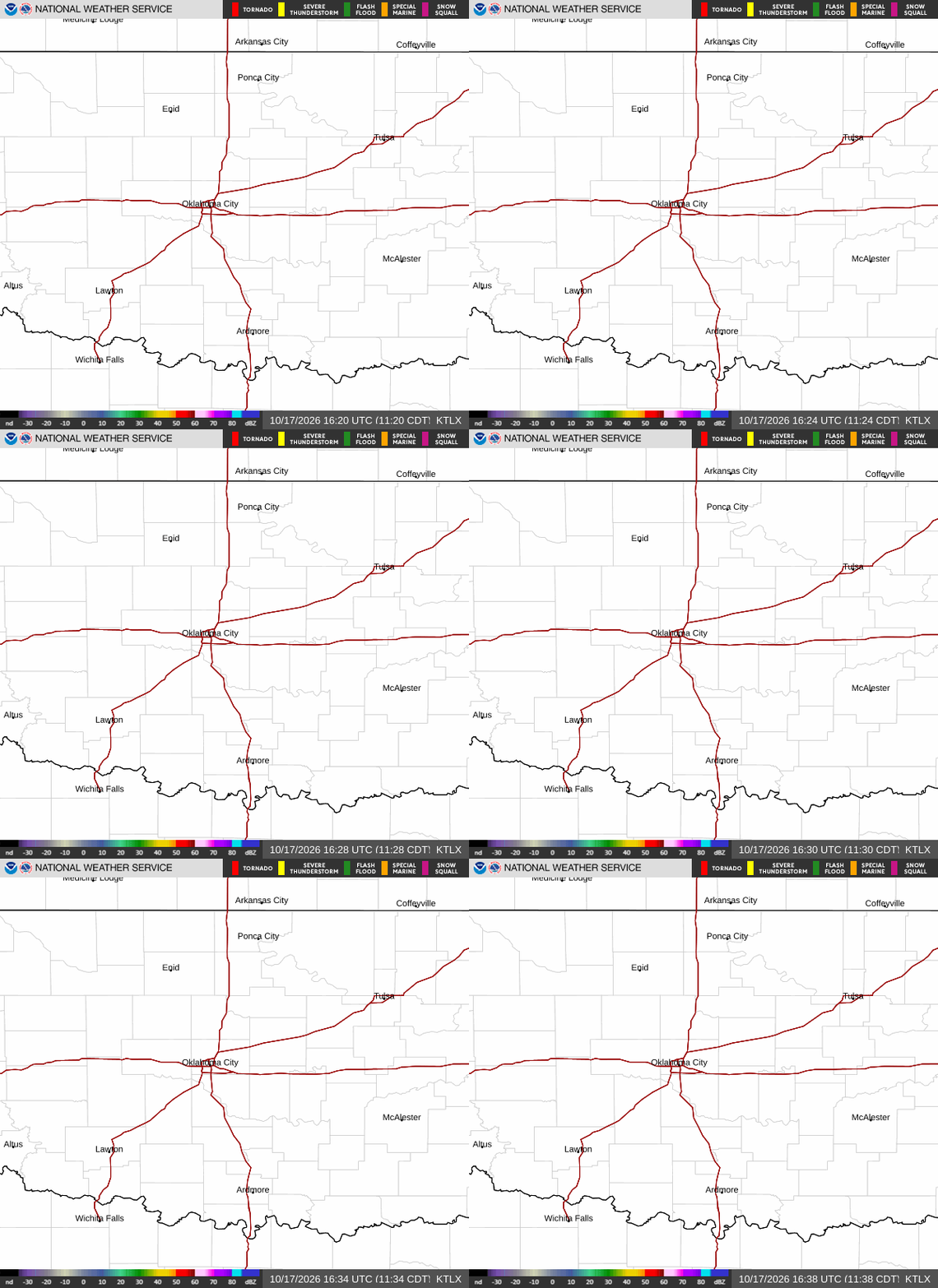 Local Radar
 Weather Map
 Drought Conditions
 Follow us on X
 Follow us on Facebook
 Follow us on YouTube
 OUN RSS Feed