|
Weather101 is a series of FREE interactive online classes to help the public learn about meteorology, forecasting and the National Weather Service in general. These classes will explore the concepts formally found in what was our Advanced SKYWARN spotter classes, plus MORE!
Individuals or groups will be able to complete the courses in the comfort of their own home using the extremely user-friendly computer program, Go-To Meeting. The only requirement will be speakers to listen, if you're using a computer. If you want to ask questions, you will need to have a VOIP microphone (this is not a requirement).
Each class can be viewed on a Mac or PC, as well as on your iPad, iPhone or Android device by simply downloading the FREE Go-To-Webinar app in the app store on your device (you'll need the Webinar ID number supplied in the registration email).
To sign up for one of our online classes, simply click on the link beside the date/time you want to attend below, fill out the form and we will forward you a link to register on the Go-To Meeting website. Register, download the FREE software, and BAM! You can attend the one hour online class. Remember, if you're using the Go-To Meeting app on your iPad, iPhone or Android device, your Webinar ID number will be included in your registration email.
|
|
|
Date
|
Time (CT)
|
Class Title
|
Register
|
|
Monday, Oct 5
|
7 pm
|
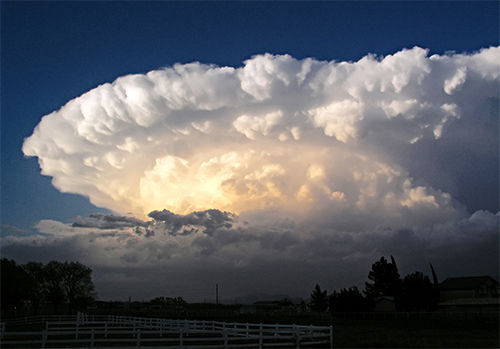
Severe Thunderstorms
|
Class is Full
|
|
Thursday, Oct 8
|
10 am
|
Quasi-Linear Convective Systems (QLCS)
|
Click Here to Register
|
|
Friday, Oct 9
|
10 am
|
Monsoons
|
Click Here to Register
|
|
Monday, Oct 12
|
7 pm
|
The Basics
|
Click Here to Register
|
|
Tuesday, Oct 13
|
10 am
|
Weather Balloons
|
Click Here to Register
|
|
Wednesday, Oct 14
|
10 am
|
Tsunamis
|
Click Here to Register
|
|
Friday, Oct 16
|
10 am
|
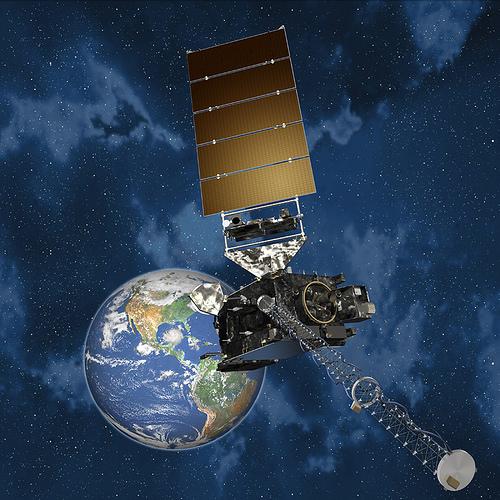
Satellites
|
Click Here to Register
|
|
Monday, Oct 19
|
7 pm
|
Winter Weather
|
Click Here to Register
|
|
Tuesday, Oct 20
|
7 pm
|
NWS Storm Surveys
|
Click Here to Register
|
|
Wednesday, Oct 21
|
7 pm
|
Weather Balloons
|
Click Here to Register
|
|
Thursday, Oct 22
|
7 pm
|
Satellites
|
Click Here to Register
|
|
Friday, Oct 23
|
10 am
|
Lightning
|
Click Here to Register
|
|
Monday, Oct 26
|
10 am
|
Winter Weather
|
Click Here to Register
|
|
Tuesday, Oct 27
|
7 pm
|
Observations in 3D
|
Click Here to Register
|
|
Wednesday, Oct 28
|
7 pm
|
Monsoons
|
Click Here to Register
|
|
Thursday, Oct 29
|
10 am
|
The Basics
|
Click Here to Register
|
|
Friday, Oct 30
|
10 am
|
Severe Thunderstorms
|
Click Here to Register
|
|
Monday, Nov 2
|
7 pm
|
Quasi-Linear Convective Systems (QLCS)
|
Click Here to Register
|
|
Tuesday, Nov 3
|
7 pm
|
River Ice
|
Click Here to Register
|
|
Wednesday, Nov 4
|
10 am
|
Flash Flooding
|
Click Here to Register
|
|
Thursday, Nov 5
|
10 am
|
Hurricanes
|
Click Here to Register
|
|
Friday, Nov 6
|
10 am
|
Observations in 3D
|
Click Here to Register
|
|
Monday, Nov 9
|
10 am
|
The Radar
|
Click Here to Register
|
|
Monday, Nov 9
|
7 pm
|
Global Circulations
|
Click Here to Register
|
|
Tuesday, Nov 10
|
7 pm
|
Tsunamis
|
Click Here to Register
|
|
Monday, Nov 16
|
10 am
|
Global Circulations
|
Click Here to Register
|
|
Tuesday, Nov 17
|
1 pm
|
Hurricanes
|
Click Here to Register
|
|
Tuesday, Nov 17
|
7 pm
|
Flash Flooding
|
Click Here to Register
|
|
Wednesday, Nov 18
|
10 am
|
NWS Storm Surveys
|
Click Here to Register
|
|
Thursday, Nov 19
|
10 am
|
Rip Currents
|
Click Here to Register
|
|
Monday, Nov 23
|
7 pm
|
Rip Currents
|
Click Here to Register
|
|
Tuesday, Dec 1
|
10 am
|
River Ice
|
Click Here to Register
|
|
Wednesday, Dec 2
|
7 pm
|
The Radar
|
Click Here to Register
|
|
Thursday, December 3
|
7 pm
|
Lightning
|
Click Here to Register
|
Classes are FREE & for ALL AGES!
All classes will run approximately 1 hour with a question and answer segment
No prior training is necessary, but registration is required
NOTE: Classes may be canceled with short notice due to severe weather! |
|
.png)










 Follow us on X
 Follow us on Facebook
 Follow us on YouTube
 OHX RSS Feed